

How to Care Jewelry
Jewelry you wear often, such as a diamond ring, engagement ring, wedding ring, diamond earrings, diamond necklace, pendant, bracelet, or bangle, can remain beautiful for many years when cared for properly. Common repair issues such as loose diamonds, bent prongs, scratched surfaces, or broken chains often result from small daily habits. This guide outlines practical care techniques to help your jewelry stay secure, reduce the risk of damage, and allow you to wear your pieces with confidence every day.

Wear It the Right Way
Proper care begins with proper wearing habits. Put your jewelry on as the final step after dressing and applying perfume to avoid chemical buildup. Remove your pieces before showering, swimming, exercising, cleaning, or lifting heavy objects. This is especially important for wedding rings, which many people wear continuously. Even daily pieces benefit from occasional rest to reduce accumulated impact on the metal and setting. These simple practices significantly reduce scratches and loosening over time.
Avoid These
Five Common
Risks
Avoiding the five risks listed below goes a long way. Prevention is always easier than repair, and good habits from the start preserve the quality of your pieces for years to come.
- 01 Avoid Wearing in the Shower
We recommend removing every piece before bathing, whether silver or gold. Soap, shampoo, body wash, and warm water accelerate tarnishing on silver and dull the luster of gold, while soap residue trapped around settings and clasps obscures the brilliance of the stones and may loosen mountings over time.
- 02 Avoid Strong Impact
Physical impact is one of the most common causes of jewelry damage, including dents, scratches, and weakened settings.
- 03 Avoid Wearing Rings During Workouts
Holding heavy equipment or applying pressure repeatedly may bend the prongs of a diamond ring or loosen the stone.
- 04 Avoid Wearing While Sleeping
Wearing rings, necklaces, or earrings to bed causes continuous pressure and friction throughout the night, which can loosen prongs, dislodge stones, torn the chain and bend settings over time.
- 05 Avoid Repeated Contact with Hard Surfaces
Constantly hitting tables, counters, or other hard objects may weaken the structure of the ring and affect the security of the diamond setting.

Store Jewelry Properly
Improper storage is one of the leading causes of scratches. Diamonds can scratch metal and other jewelry easily when stored together. Keep each piece separated in individual compartments or soft fabric pouches. For diamond necklaces and bracelets, fasten the clasp before placing them on a soft surface to prevent tangling. Earrings should always be stored as pairs with secure backs attached. Organized storage reduces both physical damage and the risk of misplacement.

Clean Gently & Regularly
Sweat, lotion, perfume, and soap residue can dull jewelry, especially beneath ring settings and around clasps. The safest method is warm water with mild soap, a soft brush, and a microfiber cloth. Rinse thoroughly and dry completely. You may use a gentle cool air dryer to remove moisture from hard to reach areas. Avoid abrasive powders or harsh chemicals that can scratch the surface and reduce shine. If you wear jewelry daily, clean it gently once a week and wipe it after each wear to extend its longevity.

Watch for Early Warning Signs
Costly repairs often begin with small warning signals. If a ring starts catching on fabric, prongs appear uneven, you hear a faint clicking sound when moving the piece, or the diamond looks dull even after cleaning — it may need inspection. For earrings and necklaces, check clasps and joints regularly for looseness. Early examination helps prevent diamond loss and larger structural damage. If you are uncertain, consult a specialist before minor issues become major problems.

Schedule Periodic Inspections
Even high quality jewelry requires periodic care, especially pieces worn daily such as engagement rings and wedding rings. Regular checks of setting security and professional deep cleaning help maintain brilliance and structural strength. Preventive maintenance reduces emergency repairs and preserves comfort over time. When purchasing from a reputable jewelry store Bangkok, ongoing service and inspection support are part of long term value and peace of mind.

In Summary
Long lasting jewelry depends on simple habits. Wear it thoughtfully, avoid harsh chemicals and impact, store pieces separately, clean gently, and inspect regularly. These practices reduce damage, minimize repairs, and protect your investment over time. When jewelry is crafted with strong settings and refined finishing, durability naturally improves, but proper care remains essential. If you would like guidance tailored to your specific piece, our team is always ready to assist.

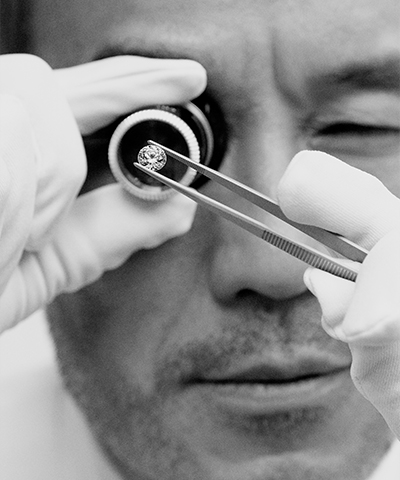
Written by ANANTA Expert: our team of specialists with decades of experience in fine jewelry and gemology.
Each contributor is a certified Gemologist from leading institutes, including GIA and GIT, combining academic rigor with hands-on expertise. Every article is crafted with accuracy, care, and passion, offering you trusted guidance to understand diamonds and jewelry more deeply. With ANANTA Expert, you can be confident that every insight reflects knowledge refined by both heritage and global standards.
Last updated: 5/5/2026